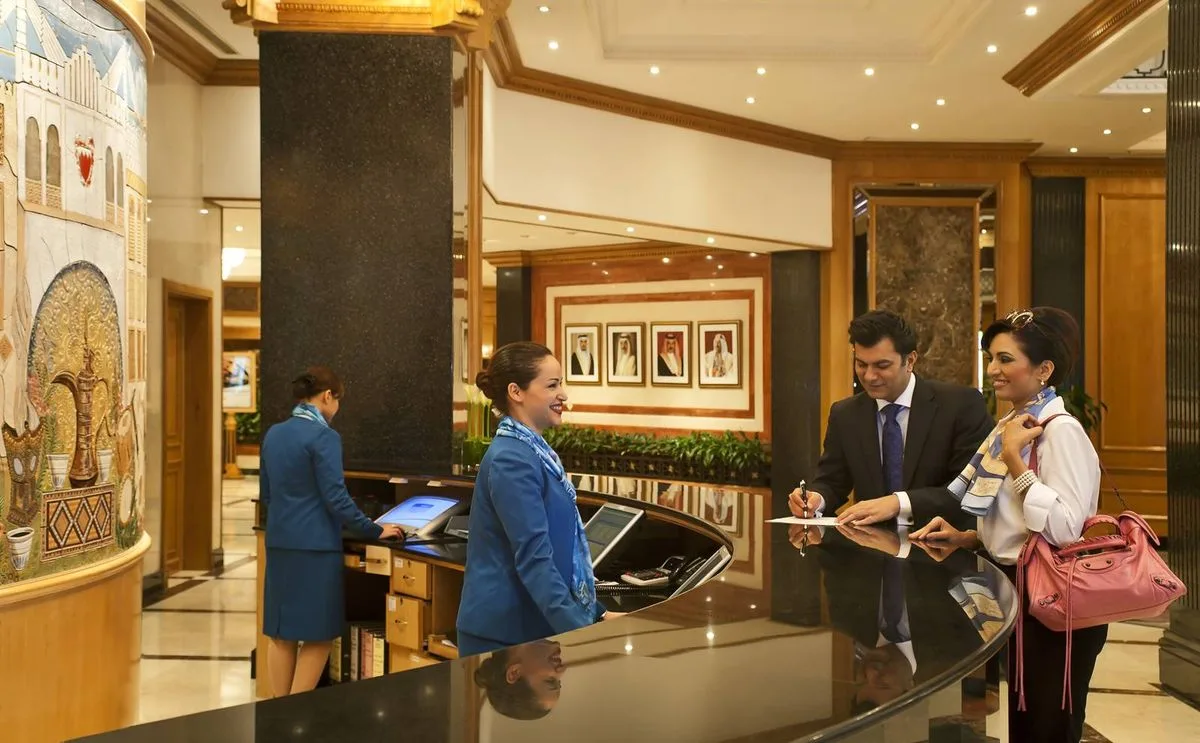
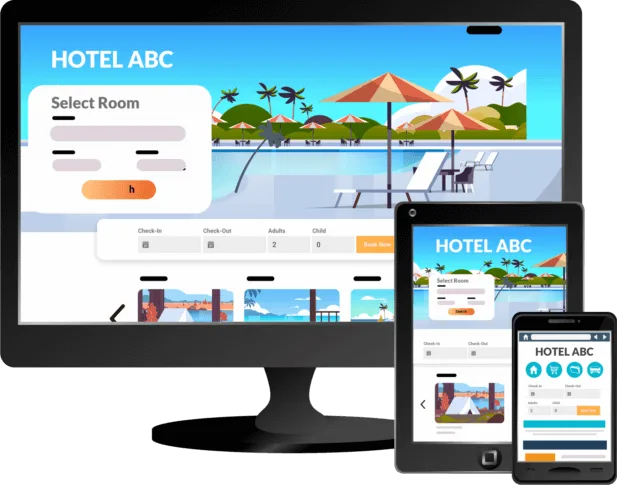
What is a hotel business?
A hotel business is part of the hospitality industry that provides accommodation, food,
beverages and
related services to guests. Hotels cater to leisure as well as business travellers. And they
offer varying
levels of comfort and facilities ranging from budget stays to luxury experiences.
The core aim of a hotel business is to enhance the guest experience while generating revenue
at the
same time through room bookings, restaurant services, event management and other value-added
services.
Hotel businesses also play a key role in tourism and travel. They boost the local economy,
create job
opportunities and support the growth of hospitality management worldwide.
How much does it cost to start a hotel business from the scratch?
The cost to start a hotel in India depends on various factors like
location, size, category
(budget, boutique or luxury) and facilities offered. The overall cost based on hotel type is
given
below:
-
Budget hotel (20–40 rooms): It needs around ₹50 lakhs–5 crore - covering
land,
construction, interiors and basic amenities.
-
Mid-scale hotel (50–100 rooms): It requires between ₹10–50 crore, with added
facilities like banquet halls, restaurants and modern guest services.
-
Luxury hotel/resort (100+ rooms with premium services): This category needs
above
₹100 crore, as it requires prime land, high-end interiors, advanced technology and
extensive staff training.
If we talk about the key cost components in hotel business in India, it includes: land
acquisition or lease, construction and architecture, furniture, fixtures & equipment (FF&E),
licenses and permits (like FSSAI, bar license, pollution clearance and fire safety),
marketing
and branding and operational expenses.
So, on an average, the following can be considered:
-
Land acquisition/lease: 30–40% of total investment
-
Construction & interiors: 30–35%
-
Furniture, Fixtures & Equipment (FF&E): 15–20%
-
Licenses, legal & permits: 5%
-
Pre-opening marketing & branding: 3–5%
-
Staff recruitment & training: 2–3%
However, the cost of starting a hotel business in India in the unorganised sector is
relatively
low and it ranges anywhere between 10 to 50 lakhs. This particular sector in the Indian
hotel
industry generally consists of smaller, independent establishments that are not part of
larger
chains or groups. Such establishments include the following :
Independently owned and operated hotels offering basic accommodations
and services without belonging to a larger chain.
Small establishments providing budget-friendly accommodations, often run
by families or individuals, offering a homely atmosphere.
Typically, smaller properties offering overnight stays and breakfast,
often in residential areas, providing a personalised experience
Accommodations hosted by local families, offering guests a chance to
experience local culture and hospitality firsthand.
Basic accommodations catering to budget-conscious travellers, offering
essential amenities at affordable prices.
Small, independently owned hotels offering stylish accommodations,
personalised service, and unique experiences, often with a focus on
design and ambiance.
How to Start a Hotel Business on a Budget: Step-by-Step Guide
Starting a hotel business does not always require huge investments. Because, with the right
approach, you can launch your venture on a budget too. Follow this step-by-step guide:
Step 1: Define Your Target Market
-
Think, survey and then decide whether you want to serve budget travellers,
backpackers or business tourists
-
After that align your services with their specific needs.
Step 2: Choose the Right Property
-
Opt for either leasing or renting an existing building instead of buying a land.
-
Also, consider converting a guesthouse, lodge or apartment complex into a hotel.
-
Begin with a small number of rooms and expand later on (not immediately).
Step 3: Prioritize Essential Amenities like:
-
Clean rooms and comfortable beds
-
Free Wi-Fi in your property.
-
Basic dining or complimentary breakfast.
-
Good hygiene and safety measures.
Step 4: Make use of Modern Technology
-
Use cloud-based hotel management software for maximum revenue generation.
-
Use online booking engines for direct bookings.
-
Try to offer automated check-in/out options to boost bookings.
-
Alos, use affordable inventory and accounting tools to cut costs.
Step 5: Market Smartly on a Budget
-
It’s important to list your hotel on OTAs (Booking.com, Airbnb, MakeMyTrip, etc.).
-
Also, create a Google Business profile for visibility.
-
Promote your brand via social media platforms.
-
Offer referrals and loyalty discounts as well.
Step 6: Plan Finances Wisely
-
You can explore government tourism schemes and grants.
-
Apply for small business loans for the initial capital.
-
Reinvest a major portion of your profits for growth in the long run.
Step 7: Hire Efficiently
-
Start with minimal staff.
-
Train employees for multi-tasking to keep the costs in control.
-
Outsource services like laundry or housekeeping to keep things cheaper
Benefits of Starting a Hotel Business in India
The market size of India’s hospitality industry is expected to rise to US$ 31.01 billion by
2029.
So, based on the broader trends, here are the key benefits of starting a hotel business in
India:
High and Growing Demand
Hotel owners can benefit from rising domestic tourism, increasing foreign arrivals and
growth in MICE (Meetings, Incentives, Conferences, Exhibitions) segments. This ensures
steady occupancy, higher room rates and high revenue from hotel business.
Maximum Revenue Potential
Hotels can capitalize on the limited supply in the industry by increasing average daily
rates
(ADR) and revenue per available room (RevPAR) thereby securing better returns per room
in prime locations.
High Profit Margins
Well-managed hotels deliver high profit margins. So, once the fixed costs are covered, room
revenue generates strong returns. This is especially applicable in case of mid-scale and
limited-service segments with lower overheads.
Multiple Income Streams
Hotels generate extra revenue from food & beverage services, event halls, weddings,
conferences and spa facilities thereby reducing reliance on room occupancy alone.
Long-Term Asset Value
Hotel properties appreciate over time, particularly in tourist hotspots, growing cities and
transit hubs. Thus, strong branding and reputation further increase long-term value.
Operational Efficiency and Economies of Scale
Hotels benefit from efficient operations--expansion becomes quite easier, marginal costs per
room decrease and bulk procurement lowers the overall expenses after sometime
Job Creation and Community Impact
Hotels create employment opportunities, boost tourism and support local businesses and
suppliers. They attract policy incentives as well as favourable local support
Flexible Market Positioning
Investors can target budget, mid-scale, boutique or luxury segments thereby aligning their
hotel with location, design and customer preferences for maximum returns
Challenges & Risks in Hotel Ownership
Owning a hotel offers great opportunities, but it comes with challenges as mentioned below:
-
Seasonal Fluctuations – There are chances of revenue spikes in peak seasons
but dips
in off-peak months which could affect the cash flow.
-
Rising Competition – Short-term rentals and boutique stays attract guests who
are
seeking unique experiences at lower prices.
-
Operational Complexity – Note that - managing front desk, housekeeping, F&B
and
maintenance simultaneously could strain resources.
-
High Costs & Maintenance – Renovations, utilities and staffing add further
ongoing
financial pressure.
-
Reputation Sensitivity – Negative reviews or poor online presence can
drastically
reduce bookings.
However, the best Hotel Management Softwares in the market solve all these challenges
thereby helping hotels in maximizing occupancy, increasing direct bookings and building a
stronger brand.
How to Run and Grow a Hotel Business using Hotel Management Software
Running and growing a hotel business requires a strategic combination of operational
efficiency, customer-focused services as well as digital tools that maximizes revenue and
builds brand presence. Hoteliers can achieve this in the following manner:
Streamline Operations with Hotel PMS
A Hotel Property Management System (PMS) automates front-desk operations,
housekeeping, guest check-ins and billing. So, by reducing manual errors and improving
efficiency, PMS ensures smoother operationsthereby freeing staff to focus on enhancing guest
experiences.
Maximize Bookings with Channel Manager
A Hotel Channel Manager synchronizes room availability across multiple online travel
agencies (OTAs) and booking platforms in real-time. This prevents overbookings, increases
occupancy rates and ensures that your rooms are always visible to a wider audience.
Optimize Revenue with Revenue Management Tools
A Revenue Manager analyzes market demand, seasonality and competitor pricing to
dynamically set room rates. It does so by adopting data-driven pricing strategies. Thus,
hotels
can maximize revenue per available room (RevPAR) and profitability using these.
Enhance Direct Bookings via Booking Engine & Website Development
A customized Booking Engine integrated with a professional hotel website allows guests to
book directly at your hotel. This helps in bypassing third-party commissions. Also, a
responsive, SEO-optimized website strengthens your online presence and attracts organic
traffic.
Build Brand Reputation with Online Reputation Management
Online Reputation Management monitors and responds to guest reviews across platforms.
Positive engagement enhances your hotel’s credibility, encourages repeat bookings and also
boosts rankings on OTAs and search engines.
Expand Reach with Social Media Management
Social Media Management leverages platforms like Instagram, Facebook and LinkedIn to
promote offers, share guest experiences and engage with potential customers. A strong social
media presence builds brand loyalty and drives more direct bookings.
In a nutshell
By combining efficient hotel management software tools like PMS, Channel Manager, Revenue
Manager, Booking Engine etc properties can increase revenue, improve operational efficiency
and develop a strong, recognizable brand in a competitive hospitality industry.
Build the hotel business you have always dreamed of
Running a hotel business comes with challenges- But what big dream hasn’t faced hurdles?
A Great Life is about overcoming those challenges and turning your dream and vision into
reality.
The Indian hospitality industry has enormous potential in the coming times because of rising
domestic and international tourism. And the most successful hotels thrive on smart
operations, better guest experiences and data-driven decisions.
Booking Master, a cloud-based hotel management software, drives this success by
streamlining bookings, maximizing revenue and automating operations. It has helped
numerous hoteliers in growing their business efficiently and turning their dream hotel
business into a massive profitable reality.
 Palash Saha